


If you’re planning to lay a concrete base, build foundations or set fence posts, you may be asking: What is ballast, and why is it used so often in construction?
Ballast is widely used across building, landscaping and DIY projects, but many people are unsure what it contains or how it differs from gravel, sharp sand and sub-base aggregates.
In this guide, we’ll explain everything in simple terms. Whether you’re completing a small job at home or sourcing building materials in Croydon for a larger construction project, this article will help you understand ballast and how to use it correctly.
Understanding What Is Ballast & How It Is Used
Before ordering aggregates, it is important to check which material is right for your job.
Ballast is most often used to make concrete. However, the size of the aggregate, the amount required and the way it should be mixed will depend on the project.
In this article, we’ll cover:
- What is ballast?
- What is ballast made from?
- What is ballast used for?
- What sizes of ballast are available?
- How to mix concrete using ballast
- How much ballast do you need?
- How should ballast be stored and handled?
By the end, you’ll have a clear understanding of whether ballast is suitable for your project and what to consider when ordering building supplies in Croydon.
What is ballast?
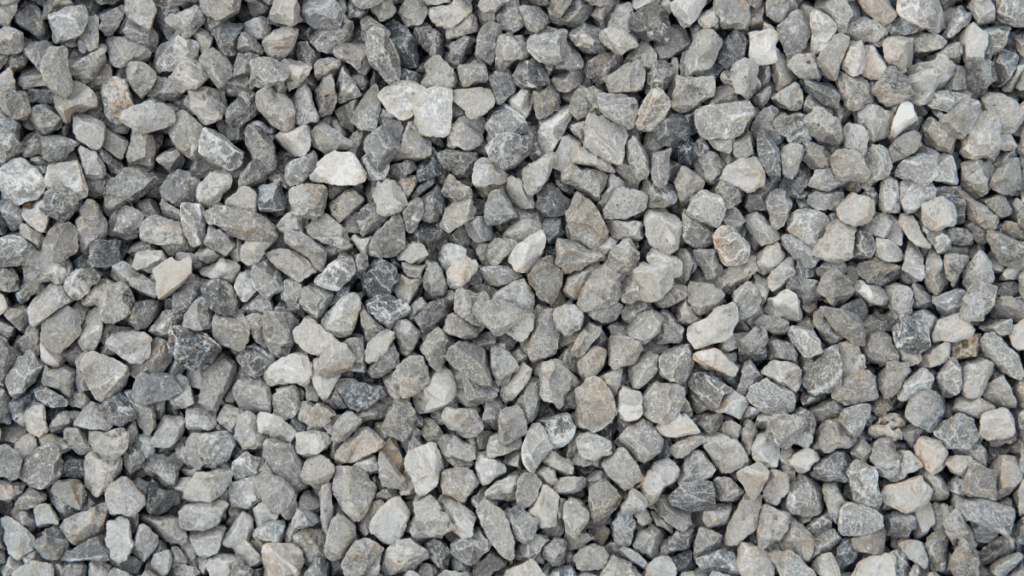
Ballast aggregate is a pre-mixed combination of sharp sand and gravel or crushed stone.
It is sometimes called an all-in aggregate because the fine and coarse materials have already been combined. This saves you from having to purchase and measure sand and gravel separately when preparing general-purpose concrete.
The larger stones give the finished concrete its strength and structure. Meanwhile, the sharp sand fills the spaces between the stones and makes the mixture easier to work with.
In simple terms, ballast gives you a balanced mixture containing:
- Fine sand particles
- Small stones or gravel
- Crushed aggregate
- Coarser particles for added strength
Once cement and water are added, these materials bind together to form concrete.
The ready-mixed nature of ballast makes it useful for projects where you want a reliable blend without taking the extra step of combining separate aggregates yourself.
High-quality sand is also important because it helps the particles bind together properly. Poor-quality material may contain unwanted soil, dirt or other substances that can affect the strength and finish of the concrete.
Construction aggregates are carefully crushed and screened into different sizes before being supplied for building work. Heidelberg Materials explains that coarse aggregates are generally larger than 4mm, with 20mm being a common size in concrete production.
What is ballast made from?
Ballast normally contains two main materials: sharp sand and gravel or crushed stone.
Each part serves a different purpose in the concrete mixture.
Sharp sand
Sharp sand has larger and more angular grains than soft building sand.
Its rough texture helps the materials lock together and adds strength to the finished mixture. It also fills the smaller spaces between the pieces of gravel.
Sharp sand is commonly used for:
- Concrete
- Floor screeds
- Paving
- Landscaping
- Drainage work
Although sharp sand is already included in ballast, it can also be purchased separately for jobs that do not require larger stones.
Gravel or crushed stone
Gravel or crushed stone forms the coarse part of the ballast mixture.
These larger pieces create structure and help concrete handle pressure and weight. They also add bulk, meaning less cement is needed to fill the entire volume.
The size and quality of the stone can affect how easy the concrete is to mix, place and level. This is why choosing the correct ballast size matters.
Construction aggregates such as sand, gravel and crushed rock are used throughout construction to make concrete, mortar, road materials and structural fill. The British Geological Survey provides further information about how construction aggregates are sourced and used across the UK.
What is ballast used for?
Ballast is mainly used to make concrete for general building and landscaping work.
It can be mixed with cement and water to create a strong material that hardens around the stones and sand. Once cured, the concrete can support weight and withstand regular use.
Common ballast uses include:
- Concrete foundations
- Footings
- Shed bases
- Garage bases
- Garden paths
- Fence post foundations
- Steps
- Small concrete slabs
- Kerb bedding
- General groundworks
Ballast can be used for projects of many sizes, from setting one fence post to laying a full concrete base.
However, the same mixture will not be suitable for every application. A small garden path does not normally require the same concrete strength as the foundations for an extension.
For structural work, always follow the concrete grade and instructions shown on the project plans. The Government’s Approved Document A covers structural building work in England, including guidance relating to foundations, walls, floors and roofs.
If you are unsure, speak to a builder, structural engineer or building control professional before mixing or pouring the concrete.
What sizes of ballast are available?
In the UK, the two most common options are 10mm and 20mm ballast.
Although both contain a mixture of sand and stone, the size of the larger pieces affects how the material performs.
20mm ballast
For most concrete projects, 20mm ballast is the standard choice.
The larger stones give the concrete bulk and strength, making this material suitable for:
- Foundations
- Footings
- Shed bases
- Garage bases
- Concrete slabs
- Paths
- General construction work
Coarse aggregate used for standard concrete will often contain material measuring between around 4mm and 20mm.
If you are making general-purpose concrete and the project specification does not state otherwise, 20mm ballast is often the most suitable option.
10mm ballast
10mm ballast contains smaller stones and can create a finer mixture.
It may be better suited to:
- Smaller concrete sections
- Narrow spaces
- Jobs requiring a smoother finish
- Areas with closely spaced reinforcement
- Some drainage applications
Because the particles are smaller, 10mm ballast can be easier to place around tight corners or detailed sections.
As a quick guide, 20mm ballast is normally the better choice for general concrete, while a finer 10mm product may be useful for smaller jobs or areas where improved drainage or a smoother result is required.
However, you should always check the product description. Not every 10mm aggregate is designed for the same use.
What is the difference between ballast and concrete?
Ballast and concrete are connected, but they are not the same product.
Ballast is the dry blend of sand and stone used as one of the main ingredients.
Concrete is the finished material created by combining:
- Ballast
- Cement
- Clean water
Cement acts as the binder. Once water is added, a chemical reaction begins; the cement hardens around the ballast particles.
In simple terms:
Ballast is an ingredient, while concrete is the finished mixture.
Dry ballast alone will not create a solid, bonded base. It needs to be mixed with the correct amount of cement and water.
What is the difference between ballast and sharp sand?
Sharp sand makes up the fine part of ballast, but it is also sold as a separate product.
On its own, sharp sand does not contain the larger stones required to make a standard all-in concrete mixture.
The main difference is:
- Sharp sand: A fine aggregate with rough, angular grains
- Ballast: A ready-blended mixture of sharp sand and larger aggregate
Sharp sand can be used for paving, screeding and drainage. Ballast is normally selected when making concrete for bases, foundations or footings.
What is the difference between ballast and building sand?
Building sand is finer and softer than the sharp sand found in ballast.
Its smooth texture makes it easier to spread, which is why it is commonly mixed with cement to create bricklaying mortar.
Building sand is normally used for:
- Bricklaying
- Blockwork
- Pointing
- General masonry
Ballast has a much rougher texture and includes larger stones. It is designed for making concrete rather than smooth bricklaying mortar.
Using the wrong product could affect the strength, finish and workability of the mixture, so it is worth checking before you order.
How to mix concrete using ballast
Learning how to mix concrete using ballast is useful for small building and landscaping jobs.
For a straightforward domestic project, a common starting ratio is:
One part cement to five parts ballast
Heidelberg Materials recommends a standard one-part cement to five-parts ballast mix as a general option for a concrete shed base.
However, this ratio should not be used for every project. The correct mixture depends on the required strength, the load it will carry and the project specification.
What you will need
Before starting, gather:
- Ballast
- Cement
- Clean water
- A bucket or measuring container
- A shovel
- A mixing board, wheelbarrow or concrete mixer
- Suitable gloves and eye protection
1. Measure the materials
Measure the cement and ballast using the same container for each part.
For example, if you are using a one-to-five ratio, use one bucket of cement for every five buckets of ballast.
Keeping the measurements consistent will help you produce an even mixture.
2. Combine the dry materials
Mix the ballast and cement together before adding water.
Continue turning the materials until the colour looks even and there are no clear patches of cement or aggregate.
Dry mixing everything first helps spread the cement through the ballast.
3. Add water slowly
Create a small hollow in the centre and add clean water a little at a time.
Avoid pouring in too much at once. The amount required can change depending on whether the ballast is already damp and what consistency is needed.
Keep mixing and add more water gradually until the concrete holds together.
4. Check the consistency
The mixture should be firm but workable.
It should be wet enough to place and level without becoming watery. If it runs off the shovel or water gathers on the surface, you may have added too much.
Excess water can reduce the strength and durability of concrete.
5. Place and finish the concrete
Once the mixture is ready, place it promptly.
Spread the concrete into the prepared area and use a shovel or suitable tool to remove large air pockets. Level the surface and apply the required finish before the concrete starts to set.
Concrete should also be protected from drying too quickly. In warm weather, covering a new slab can help it retain moisture while it starts to cure.
How much ballast do you need?
The amount of ballast you need depends on the length, width and depth of the area you are filling.
Start by calculating the volume in cubic metres.
Use this formula:
Length × width × depth = volume
All measurements need to be in metres.
For example, imagine you are laying a shed base measuring:
- 3 metres long
- 2 metres wide
- 100mm deep
First, change 100mm into metres, which is 0.1m.
The calculation would be:
3 × 2 × 0.1 = 0.6m³
This means the finished base has a volume of 0.6 cubic metres.
It is sensible to include a little extra for uneven ground, spillage and changes in depth. However, remember that the volume of loose dry ingredients may differ from the volume of the finished concrete once the materials have been mixed and compacted.
You can also use an online tool such as the CEMEX concrete calculator to estimate the volume needed. In the UK, concrete quantities are normally calculated in cubic metres.
For larger projects, speak to your builders’ merchant before ordering. They can help you compare bagged ballast, loose aggregate and ready-mixed concrete.
How many bags of ballast do I need?
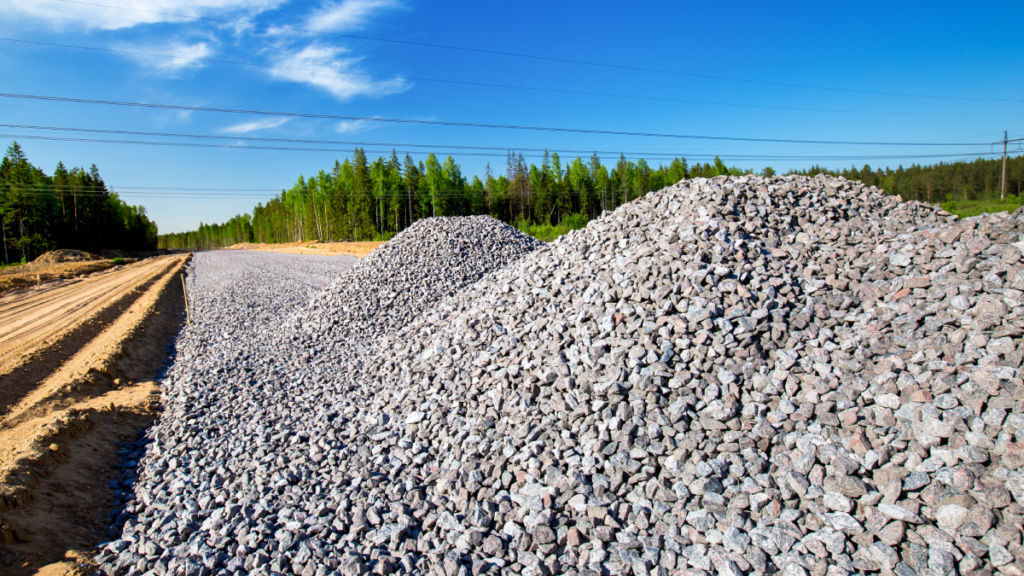
Ballast is often available in smaller trade packs and larger bulk bags.
Common packaging options include:
- 25kg trade packs
- Bulk bags containing approximately 800kg to 850kg
The exact weight can vary by supplier, so always check the product information before ordering.
Smaller trade packs may be more practical for:
- One or two fence posts
- Minor repairs
- Small concrete pads
- Jobs with limited storage space
Bulk bags are often more suitable for:
- Shed bases
- Garden paths
- Multiple fence posts
- Footings
- Larger concrete areas
Having different packaging sizes gives both trade and DIY customers more flexibility.
You can order only a few smaller bags for a minor task rather than buying more material than you need. For a larger project, bulk bags can reduce the number of individual packs that need to be moved, opened and stored.
This flexibility helps control costs and reduce waste, while making sure you have enough material to complete the job.
When ordering building supplies in Croydon, provide the length, width and planned depth of the area. This will make it easier for the supplier to help estimate a suitable quantity.
How should ballast be stored and handled?
Ballast should be kept in a clean, accessible location.
Where possible:
- Store it on a firm and level surface.
- Keep it away from soil and rubbish.
- Cover loose material during heavy rain.
- Keep different aggregates separate.
- Leave clear access around the bags.
- Avoid blocking paths or working areas.
Rain will not normally ruin ballast, but wet material already contains moisture. This means less water may be needed when mixing the concrete.
Covering the ballast can also stop leaves, mud and other materials from becoming mixed into it.
Choose the right ballast with Mitcham Builders Merchants
Understanding what ballast is makes it easier to select the correct aggregate and order the right amount for your project.
At Mitcham Builders Merchants, we have been supplying reliable building products to the trade and public for over 20 years.
As a family-run business and one of the trusted independent builders’ merchants in South London, we understand the importance of quality materials, competitive prices and straightforward advice.
Whether you need ballast, cement, sand, timber, blocks or other building materials in Croydon, our team can help you find suitable products and estimate how much you may need.
We can also arrange bulk aggregate deliveries in Croydon, helping you get your materials directly to your property, workplace or construction site.
When you need dependable products and friendly support for your next project, speak to Mitcham Builders Merchants.