

If you’ve been looking into ways to keep your home warmer, reduce energy bills, or improve the efficiency of a building project, you’ve probably come across PIR Insulation. It’s one of the most commonly used insulation materials in modern construction, but many people aren’t entirely sure what it is or why it’s so popular.
In this guide, we’ll break everything down in simple terms. Whether you’re working on a new build, renovating a property, or just trying to understand your options when buying building materials in Croydon, this article will help you get to grips with PIR insulation and how it works.
Understanding What Is PIR Insulation and How It’s Used
Before choosing insulation for your project, it’s important to understand how different materials perform and where they’re best used. PIR insulation is known for its high performance, but what does that actually mean in practice?
In this article, we’ll cover:
- What Does PIR Stand For?
- What Are PIR Insulation Boards?
- Benefits Of PIR Insulation For Construction
- How Much PIR Insulation Do I Need?
- What Thickness Of PIR Insulation Do I Need?
- How To Fit PIR Insulation
By the end, you’ll have a clear understanding of whether PIR insulation is the right choice for your project and how to use it effectively when sourcing building supplies in Croydon.
What Does PIR Stand For?
PIR stands for polyisocyanurate, which might sound complicated, but the idea behind it is quite simple.
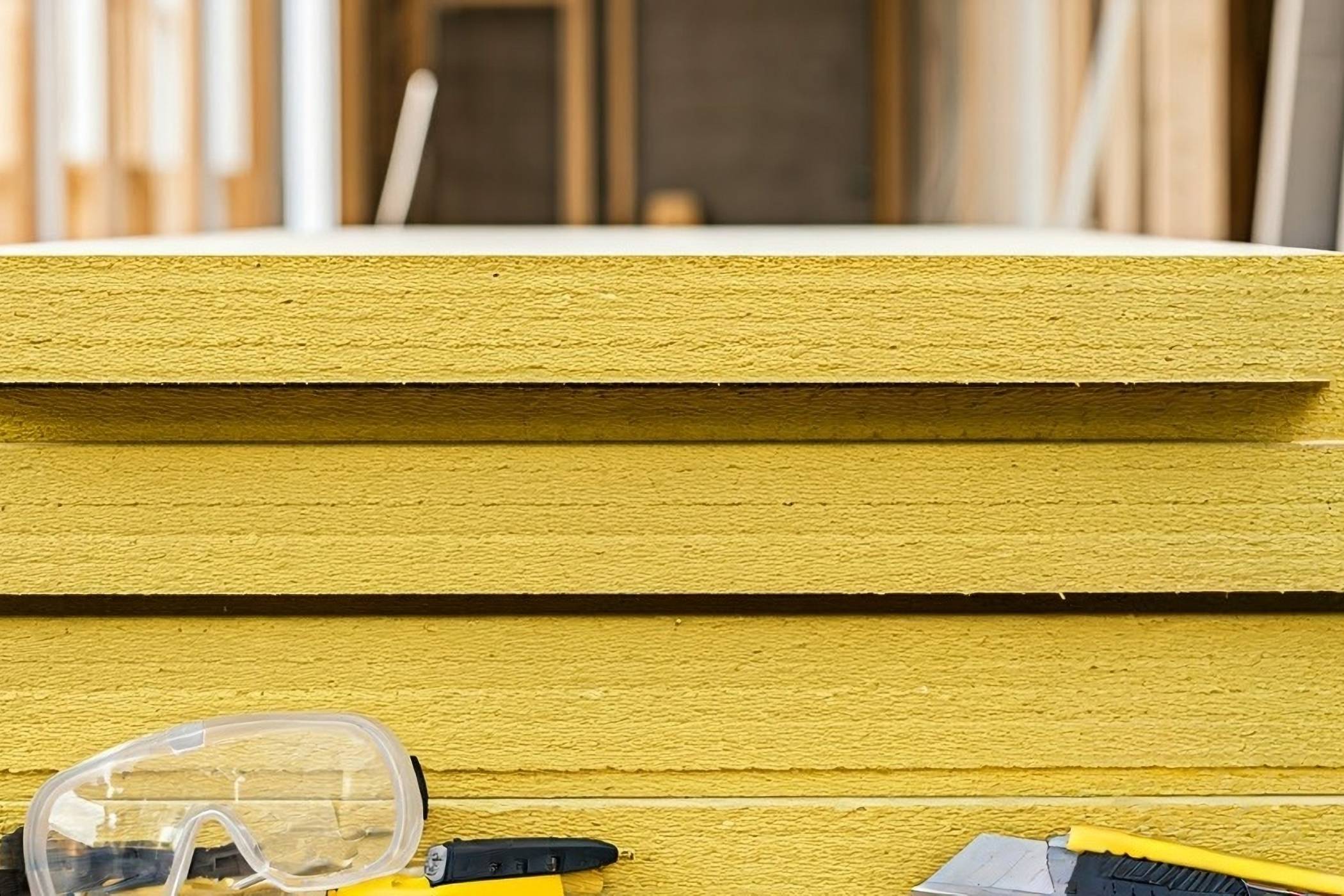
It’s a type of rigid foam insulation that’s designed to keep heat in and cold out. PIR Insulation was developed as an improved version of polyurethane (PUR) insulation, offering better fire performance, higher thermal efficiency, and improved stability over time.
In construction, PIR is widely used because it delivers strong insulation performance with relatively thin thicknesses. That makes it especially useful in modern builds, where saving space while meeting energy standards is important.
If you’re interested in the technical side, you can explore more about insulation materials through organisations like the UK Government’s guide on energy efficiency standards (gov.uk), which explains why high-performance insulation like PIR is now essential in construction.
What Are PIR Insulation Boards?
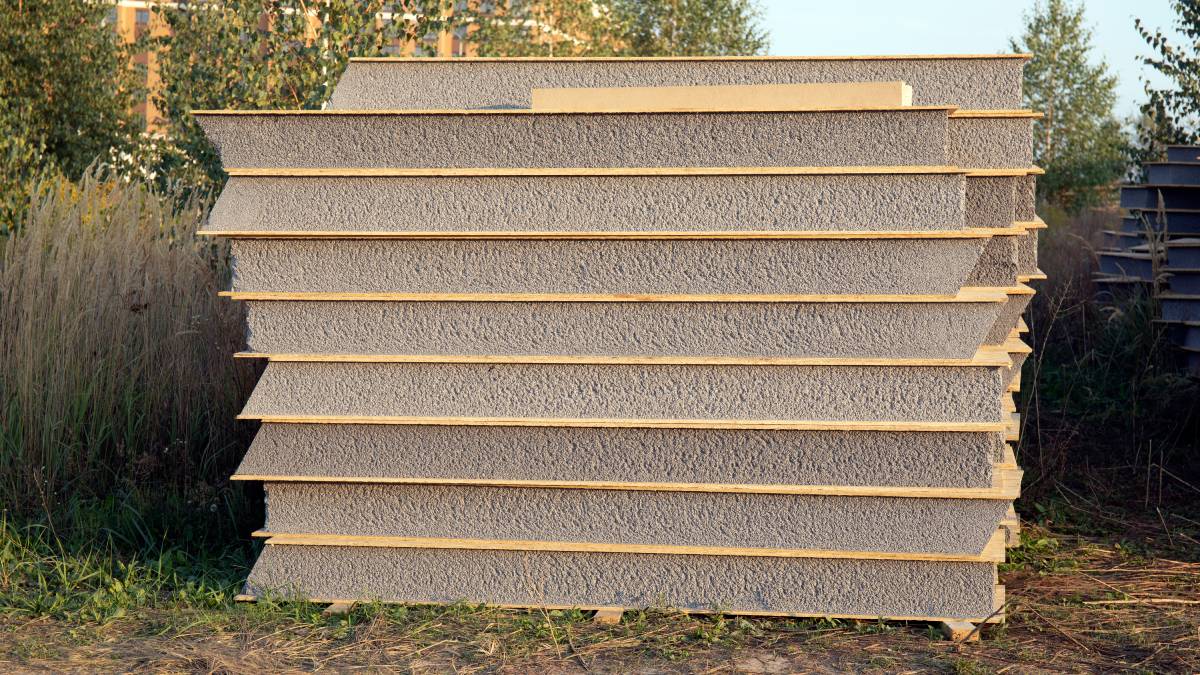
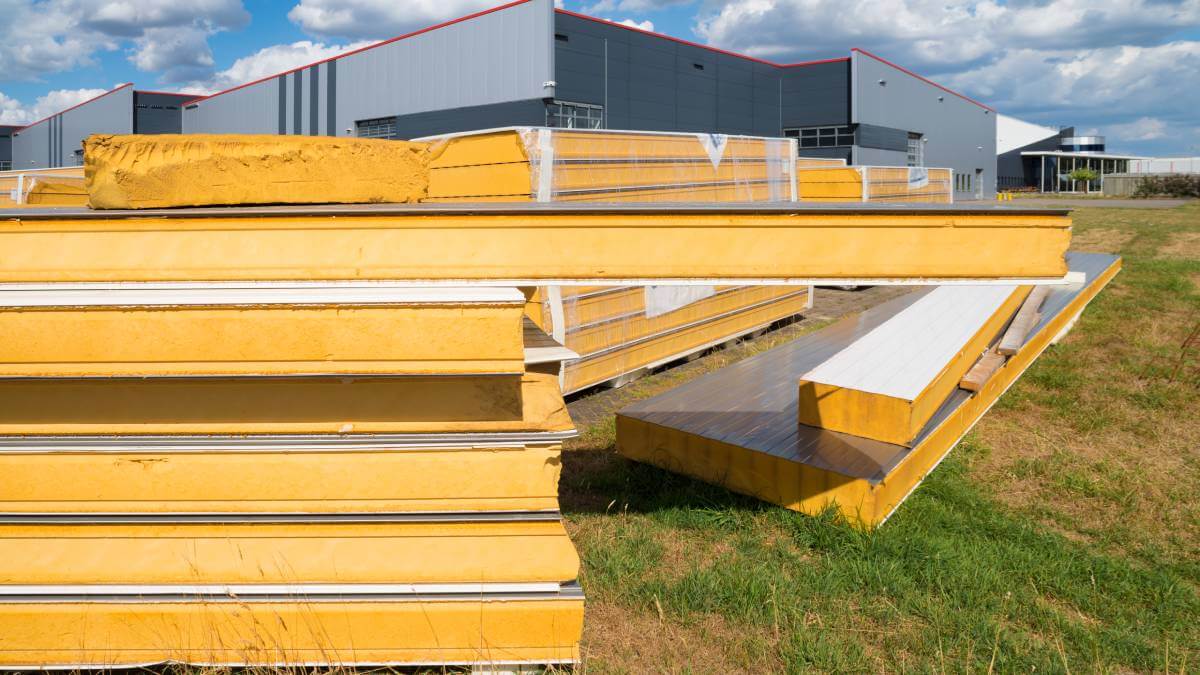
PIR insulation boards are rigid panels made from polyisocyanurate foam. They’re designed to provide excellent thermal insulation in walls, floors, and roofs.
One of the standout features of PIR Insulation boards is their low thermal conductivity, typically around 0.022 W/m · K. In simple terms, this means they’re very good at stopping heat from escaping.
Key Features of PIR Boards
- Lightweight: Easy to handle and transport
- Rigid structure: Holds its shape and provides consistent coverage
- Closed-cell design: Helps resist moisture
- Foil facing: Often comes with reflective foil layers to improve insulation performance.
Because of these qualities, PIR boards are commonly stocked by builder’s merchants in South London, including Mitcham Builders Merchants, for both trade and DIY customers.
They’re used in a wide range of applications, including:
- Roof insulation (flat and pitched)
- Wall insulation (internal and cavity)
- Floor insulation
For technical product standards, go to the British Board Of Agrément (BBA), which certifies insulation products for use in UK construction.
Benefits Of PIR For Construction
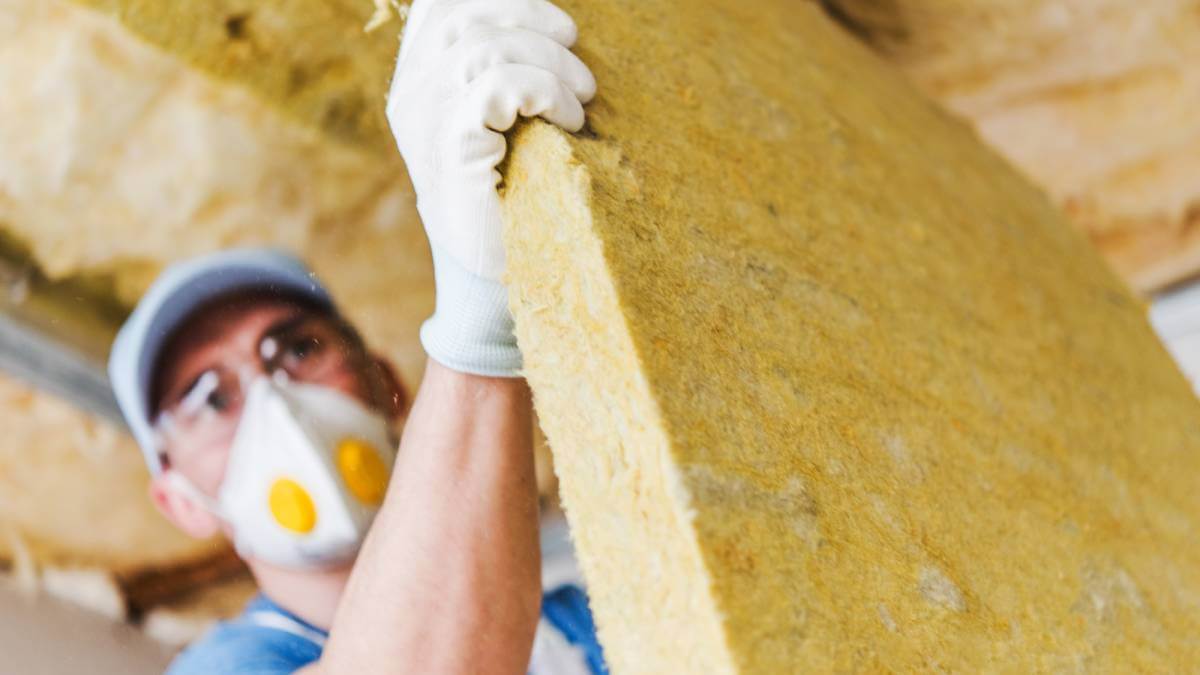
PIR insulation has become one of the most popular choices in construction for good reason. It offers a range of benefits that make it suitable for both new builds and renovation projects.
Superior Thermal Performance
PIR has one of the lowest thermal conductivities available, making it extremely effective at reducing heat loss. This helps keep buildings warmer in winter and cooler in summer.
Better insulation also means lower energy bills, which is a big advantage for homeowners and developers alike.
Space-Saving Efficiency
Because PIR Insulation is so effective, you don’t need as much of it compared to traditional insulation materials. This is ideal when space is limited, such as in loft conversions or internal wall insulation.
Moisture Resistance
PIR boards have a closed-cell structure, which means they absorb very little water. This helps prevent damp issues and keeps the insulation performing well over time.
Fire Safety
Unlike some other insulation materials, PIR is a thermoset material. This means it doesn’t melt when exposed to heat and offers good fire resistance, helping buildings meet safety standards.
Lightweight and Easy to Install
PIR boards are easy to cut, carry, and install. This makes them a practical option for both professionals and DIY projects.
Versatility
You can use PIR insulation in:
- Floors
- Walls
- Roofs
This flexibility makes it a go-to option when buying building materials in Croydon for a wide range of projects.
Sustainability and Durability
PIR helps improve energy efficiency, which reduces carbon emissions over time. It’s also designed to last for decades without losing performance.
For more on the energy efficiency benefits, a useful external reference is the Energy Saving Trust, which explains how insulation improves home performance.
How Much PIR Insulation Do I Need?
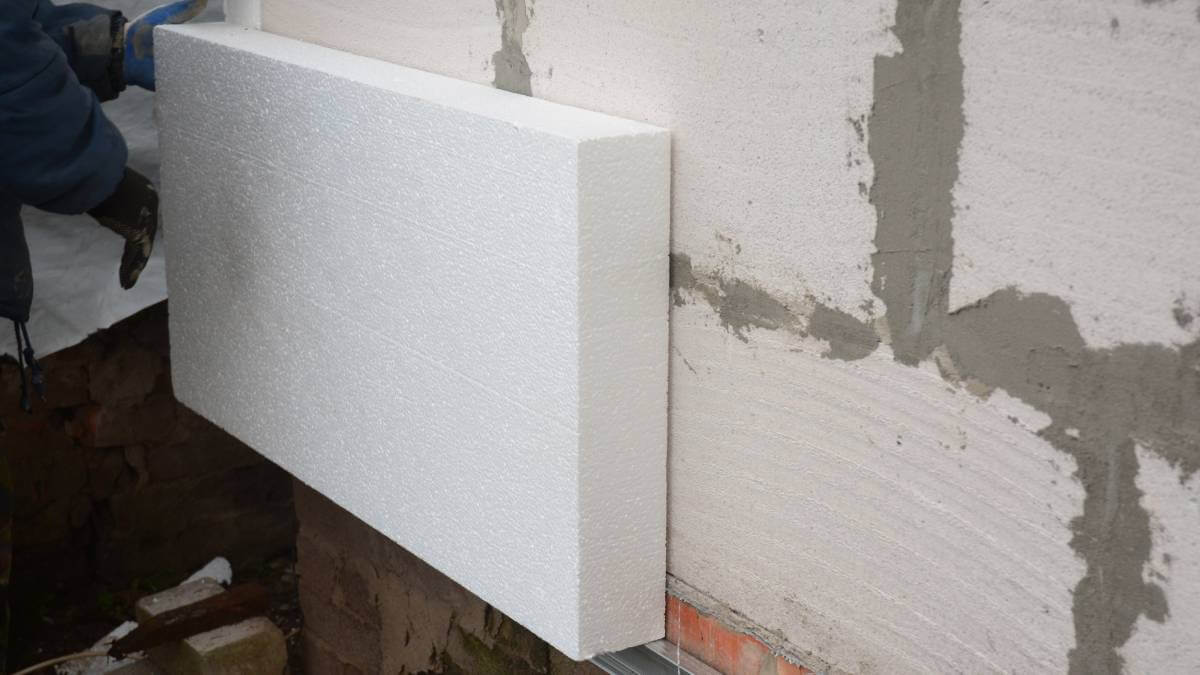
One of the most common questions people ask is how much PIR insulation they actually need. The answer depends on your project and whether you’re working on a new build or a renovation.
To meet current UK Building Regulations (Part L), insulation must achieve specific U-values, which measure the rate of heat loss through a building element.
General Guidelines
- Ground floors: 100mm – 150mm
- Walls: 75mm – 100mm
- Roofs: 150mm or more
For new builds, higher performance is usually required, so thicker insulation is often needed.
Example
If you’re insulating a standard floor:
- Renovation: around 100mm PIR
- New build: closer to 150mm PIR
This ensures the building meets modern efficiency standards and keeps heating costs down.
What Thickness Of PIR Insulation Do I Need?
Choosing the right thickness is just as important as choosing the right material.
In most cases, you’ll need between 100mm and 150mm of PIR insulation to meet UK standards. However, the exact thickness depends on where the insulation is being installed.
Floors
- 100mm for most renovations
- 150mm for new builds
Walls
- 75mm to 100mm is typical
- Thicker boards may be needed for higher performance.
Roofs
- 140mm to 200mm is common
- Heat rises, so roofs need more insulation.
Space-Restricted Areas
If you don’t have much room, you might use thinner boards (around 75mm), but this may not meet full regulations unless combined with other insulation.
Important Considerations
- Thermal bridging: Gaps can reduce performance
- Installation quality: Poor fitting can lead to heat loss
- Sealing joints: Always tape joints to improve efficiency
Getting this right is key when working with builders’ merchants in South London, as they can advise on the best products for your specific build.
How To Fit PIR Insulation
Installing PIR insulation properly is essential if you want it to perform as expected. Poor installation can lead to gaps, heat loss, and reduced efficiency.
1. Preparation and Safety
Before you start:
- Wear protective gear (mask, gloves, goggles)
- Make sure surfaces are clean and dry.
- Measure carefully before cutting.
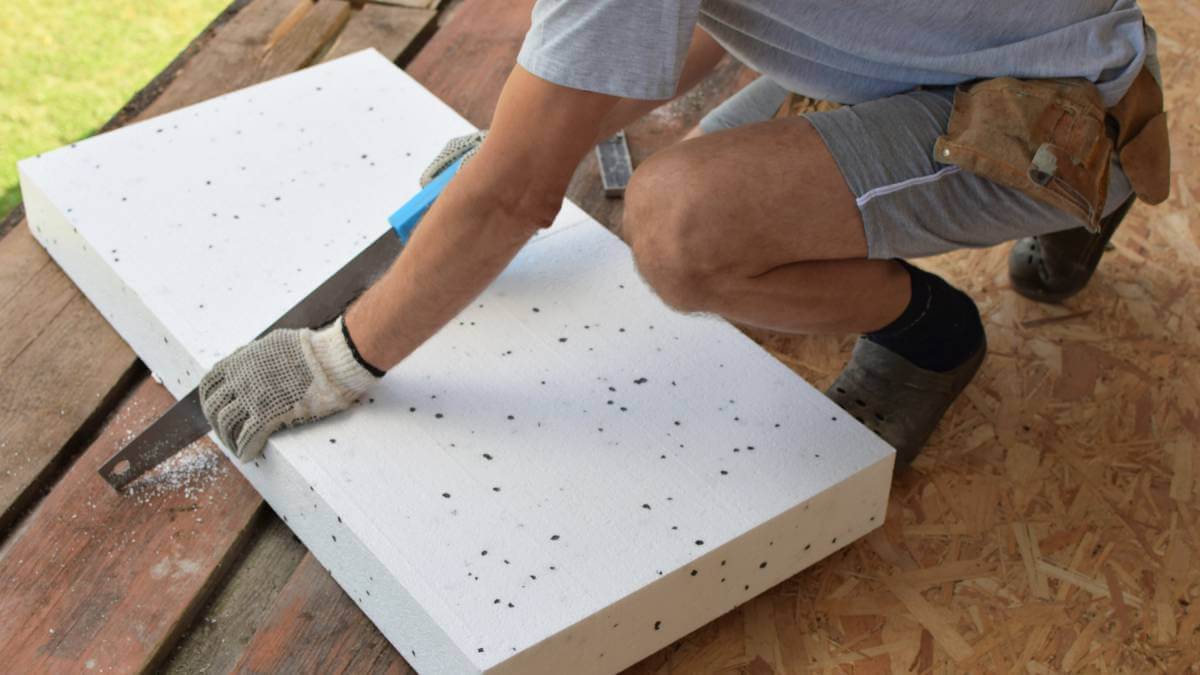
2. Cutting the Boards
- Use a utility knife for thinner boards.
- Use a saw for thicker boards.
- Cut carefully to ensure a tight fit.
3. Installation Methods
Between Rafters or Joists
- Cut boards slightly larger for a snug fit
- Use battens or clips for support.
- Fill gaps with low-expansion foam.
Solid Walls (Dot and Dab)
- Apply adhesive around the edges and centre.
- Leave a small expansion gap.
- Use mechanical fixings for added support.
4. Sealing and Finishing
- Tape all joints with foil tape
- Add a vapour control layer if needed.
- Ensure there are no gaps or draughts.
For detailed installation best practices, you could refer to manufacturer guides or trusted industry bodies such as the Insulation Manufacturers Association.
Get Your Insulation Right with Mitcham Builders Merchants
Understanding what PIR insulation is and how to use it properly can make a huge difference to your project. From improving energy efficiency to meeting building regulations, PIR Insulation is one of the most effective solutions available today.
At Mitcham Builders Merchants, we’ve been supplying high-quality building supplies in Croydon for over 20 years, we know exactly what materials work best for different projects, and we’re always here to help you make the right choice.
Whether you’re insulating a floor, wall, or roof, our team can guide you through the options and help you get the quantities right. If you’re looking for reliable building materials in Croydon, expert advice, and competitive pricing, Mitcham Builders Merchants is ready to support your project from start to finish.
Because when it comes to insulation, getting it right means a warmer, more efficient building for years to come.