

If you’ve spent any time around a building site, trade counter, or even a DIY project at home, chances are you’ve come across OSB board. You might recognise it instantly by its distinctive, textured look, or maybe you’ve heard it mentioned as a more affordable alternative to plywood. But what exactly is it, and why is it so widely used?
In this guide, we’ll answer the question “What is OSB board?” in plain English. We’ll walk through what it’s made from, what it’s used for, how it performs in real-world conditions, and whether it’s right for your next project. Whether you’re a seasoned tradesperson or tackling a job at home, understanding OSB board can help you make better choices when buying building materials in Croydon and beyond.
Understanding What Is OSB Board & Why It’s So Popular
Before we get into the technical details, it’s worth understanding why OSB board has become such a staple in modern construction. Over the last few decades, OSB has gone from being a lesser-known product to one of the most commonly used sheet materials on building sites across the UK.
In this article, we’ll cover:
- What Is OSB Board?
- What Is OSB Board Used For?
- Is OSB Waterproof?
- Is OSB Fire Resistant?
- Can You Paint OSB Board?
By the end, you’ll have a clear idea of where OSB board fits into your project and why it’s such a trusted option for builders, contractors, and DIYers alike.
What Is OSB Board?
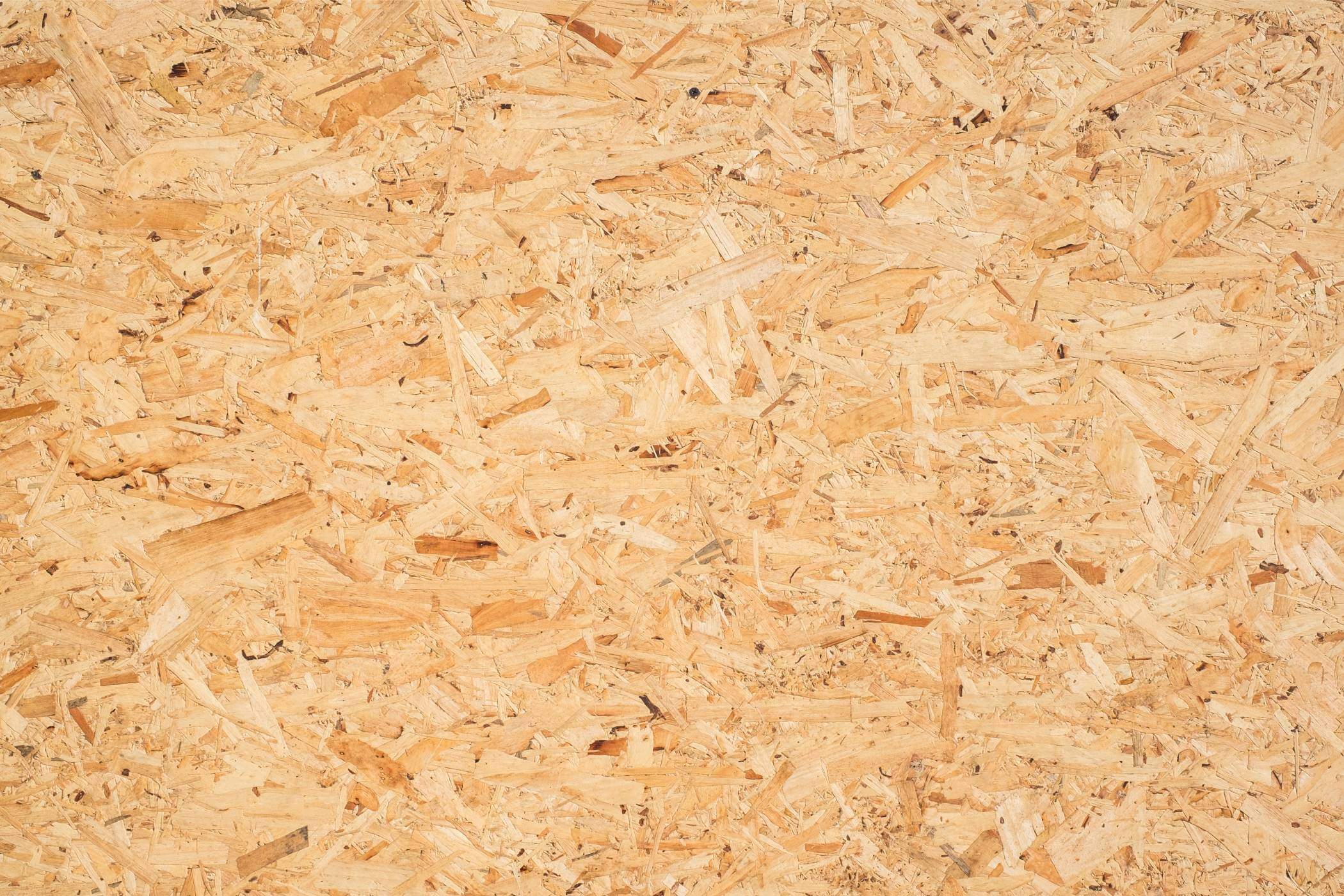
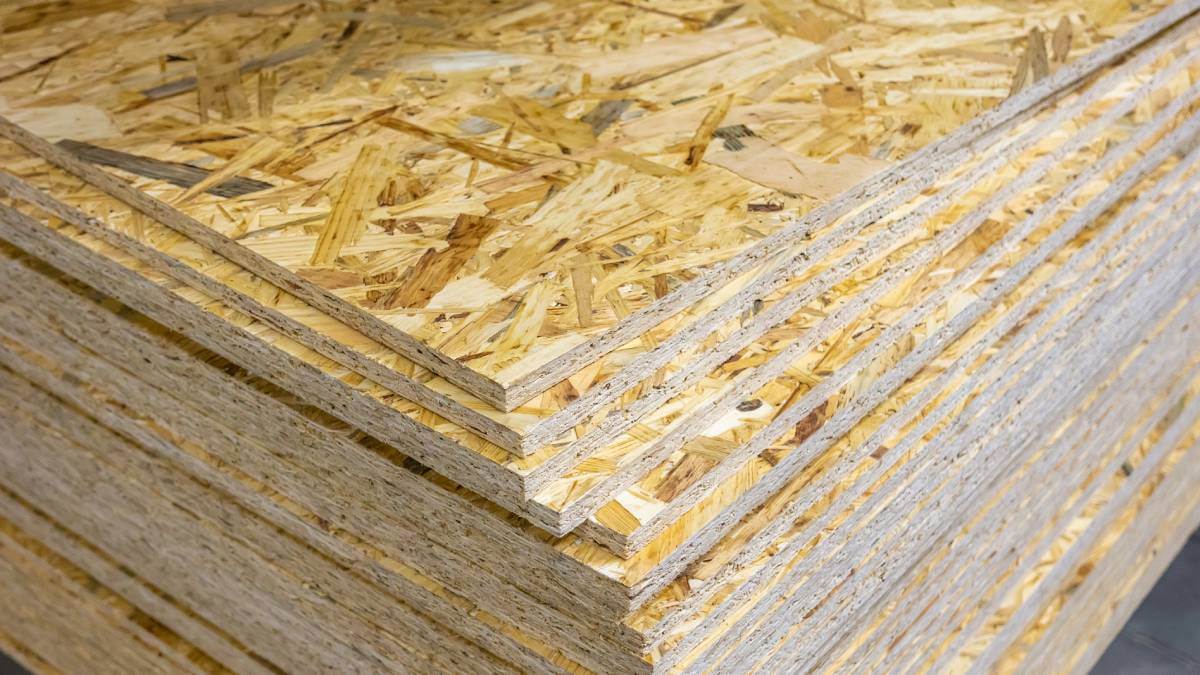
OSB stands for Oriented Strand Board, and it’s an engineered wood panel designed for strength, durability, and value for money. Unlike plywood, which is made from thin layers of wood veneer, OSB is created from compressed layers of wood strands (sometimes called flakes) that are bonded together with strong adhesives and heat.
What gives OSB its impressive strength is the way those wood strands are arranged. The strands in each layer are oriented in different directions. The outer layers typically run lengthways, while the inner layers run crossways. This alternating pattern gives OSB excellent structural performance, especially in load-bearing and shear strength.
Key Characteristics of OSB Board
Construction
OSB board is manufactured by layering wood strands in specific orientations, then bonding them together using resin and high pressure. This creates a dense, uniform panel with consistent strength throughout.
Strength
OSB is often stronger than plywood in shear, which makes it ideal for structural applications such as wall sheathing and flooring. It’s designed to handle heavy loads without splitting or cracking.
Appearance
OSB has a rough, textured surface with visible wood strands. While it’s not traditionally chosen for its looks, its distinctive appearance has become popular in industrial-style interiors.
Applications
OSB board is widely used for wall sheathing, roof decking, subfloors, timber framing, and even furniture and decorative projects.
Because of these qualities, OSB is a go-to product for professionals stocking up on our building supplies in Croydon, for projects where performance and cost both matter.
What Is OSB Board Used For?
One of the biggest advantages of OSB board is its versatility. You’ll find it used across residential, commercial, and industrial projects, as well as in countless DIY builds.
Key Construction Uses
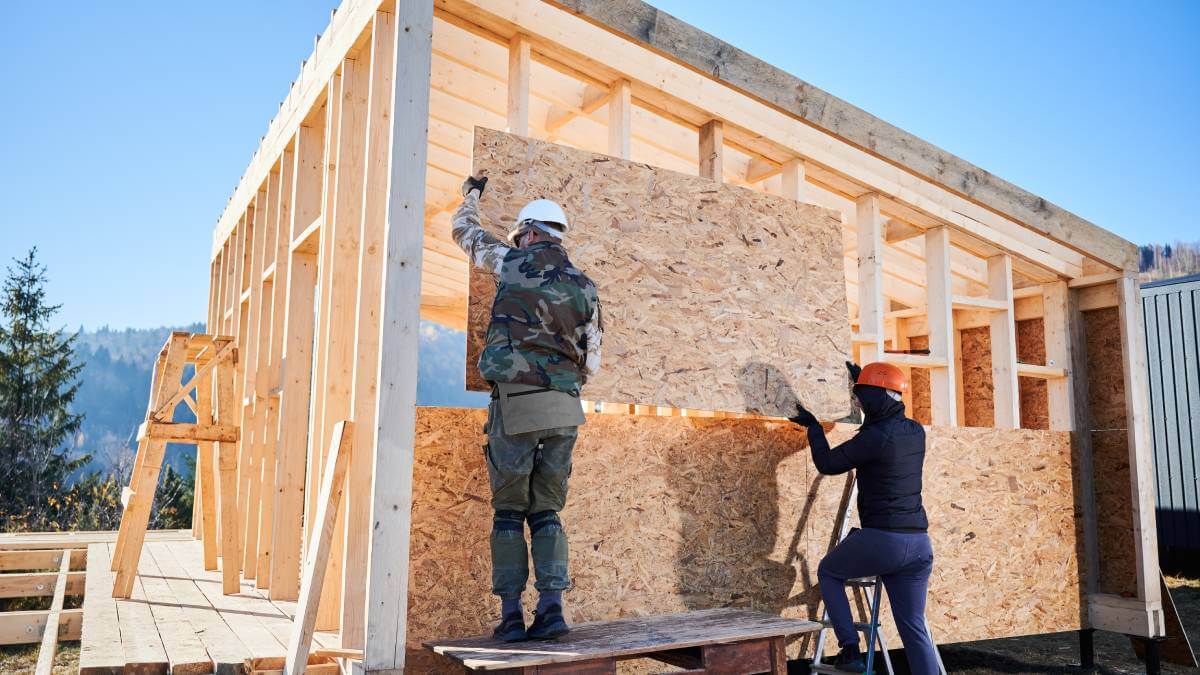
- Wall Sheathing: OSB is commonly used to sheath external and internal walls. It provides structural stability and creates a solid base for insulation, membranes, and final finishes.
- Roof Decking: OSB is a popular choice for roof decking due to its strength and ability to span rafters effectively. Grades like OSB/3 are specifically designed to cope with humid conditions during construction.
- Subflooring: OSB makes an excellent subfloor, providing a sturdy, level base for tiles, laminate, carpet, or engineered flooring. Its consistent thickness helps avoid uneven floors.
- Timber Framing: In timber-framed buildings, OSB plays a key role in structural integrity, helping resist racking forces and improve overall stability.
- Garden Structures: OSB is often used in sheds, workshops, fencing panels, and other outdoor structures. When properly protected, it offers durability at a lower cost than many alternatives.
Other Applications
- Furniture and Interiors: OSB has become popular in modern interiors for shelving, desks, worktops, and feature walls. Its raw, industrial look suits creative and commercial spaces.
- DIY Projects: From garage storage to custom-built units, OSB is a favourite for DIYers thanks to its affordability and strength.
- Artistic Use: Some artists even use OSB as a canvas, taking advantage of its textured surface for unique visual effects.
Why Builders Choose OSB
- Strong and rigid
- Cost-effective compared to Plywood
- Widely available in standard sizes
- Suitable for structural and non-structural use
It’s no surprise OSB is a regular seller at our builders’ merchants in South London, especially for projects that need reliability without stretching the budget.
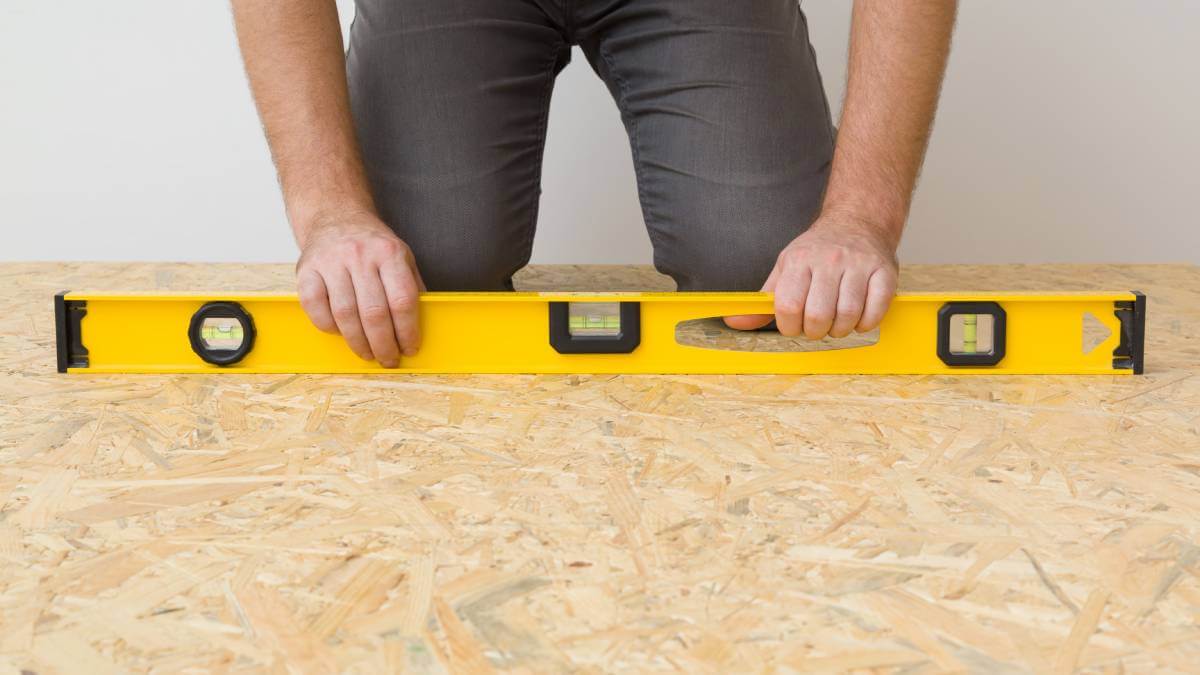
Is OSB Waterproof?
This is one of the most common questions we hear: Is OSB board waterproof?
The short answer is no, standard OSB is not waterproof. However, it is water-resistant, depending on the grade.
Grades like OSB/3 and OSB/4 are manufactured with moisture-resistant adhesives and waxes. This means they can handle short-term exposure to moisture, such as rain during construction, without immediately breaking down.
That said, prolonged exposure to water will cause OSB to swell, particularly at the edges. Once swollen, it can lose structural integrity and may not return to its original shape.
How to Protect OSB from Moisture
- Use the correct grade for the environment
- Seal edges with paint, varnish, or sealant
- Cover external OSB with membranes or cladding
- Avoid direct ground contact
For more guidance on moisture control in buildings, UK building regulations on moisture control (GOV.UK) would be a strong, authoritative reference.
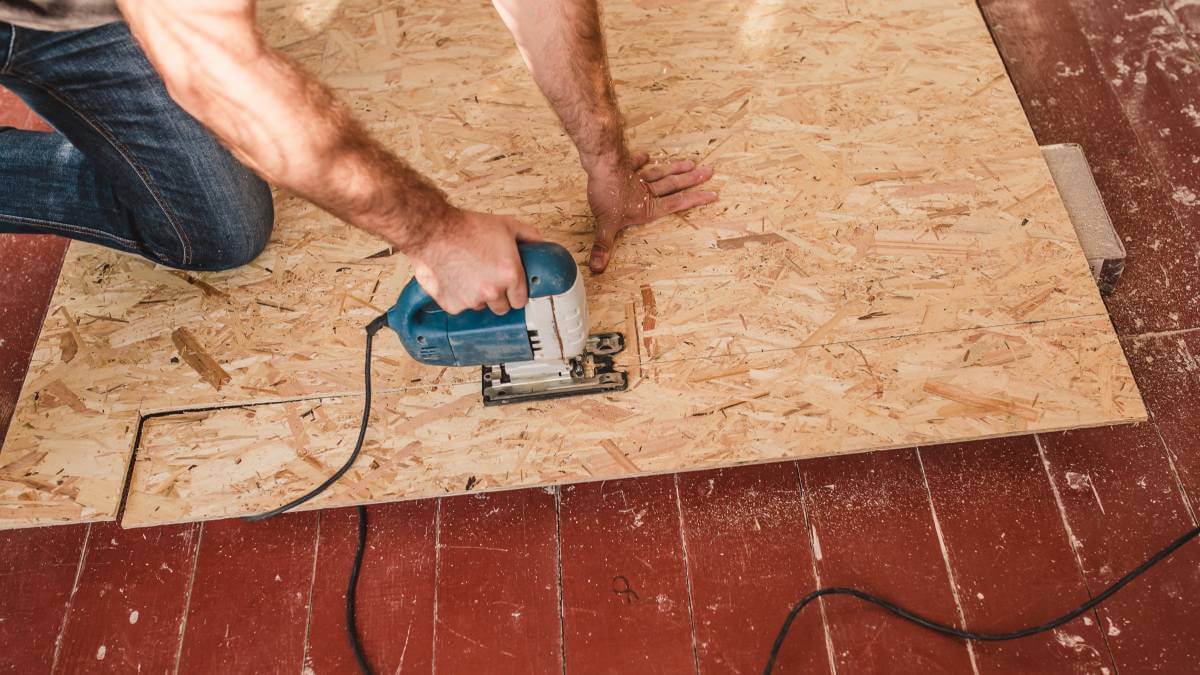
Is OSB Fire Resistant?
Standard OSB board is not fire-resistant and will burn if exposed to flames. However, there is a specialist option known as fire-retardant OSB (FR-OSB).
Fire-retardant OSB is treated during manufacturing with chemicals that slow down ignition and reduce flame spread. This makes it suitable for buildings where fire performance is a critical consideration, such as multi-storey developments or public buildings.
How Fire-Retardant OSB Works
- In-Process Treatment: The fire-retardant solution is added to the wood strands before the board is pressed, ensuring deep penetration rather than a surface coating.
- Protective Barrier: This treatment creates a barrier that slows combustion, giving occupants more time to evacuate and reducing damage.
- Fire Ratings: FR-OSB can achieve Euroclass fire ratings such as B-s1, d0, meaning limited flame spread, low smoke production, and no flaming droplets.
For readers wanting to explore fire ratings further, the UK Fire Classification System, as explained by the CPFP.
Can You Paint OSB Board?
Yes, you can absolutely paint OSB board, but preparation is everything.
Because OSB contains resins and waxes, painting it without the right primer can lead to bleed-through, uneven finishes, or swelling if water-based paints are applied directly.
How to Paint OSB Properly
Clean and Prepare
Make sure the board is clean, dry, and securely fixed. Light sanding can help, but OSB will always retain some texture.
Prime (This Is Crucial)
A stain-blocking primer is essential.
- Shellac-based primers are best for sealing resins
- Oil-based primers also work well
- Water-based primers can be used with care and multiple coats
We recommend a good primer, like Macpherson.
Fill (Optional)
If you want a smoother finish, apply wood filler to deeper textures and sand once dry.
Paint
Apply two or more topcoats, allowing proper drying time between coats. Spray painting can help achieve a more even finish on textured surfaces.
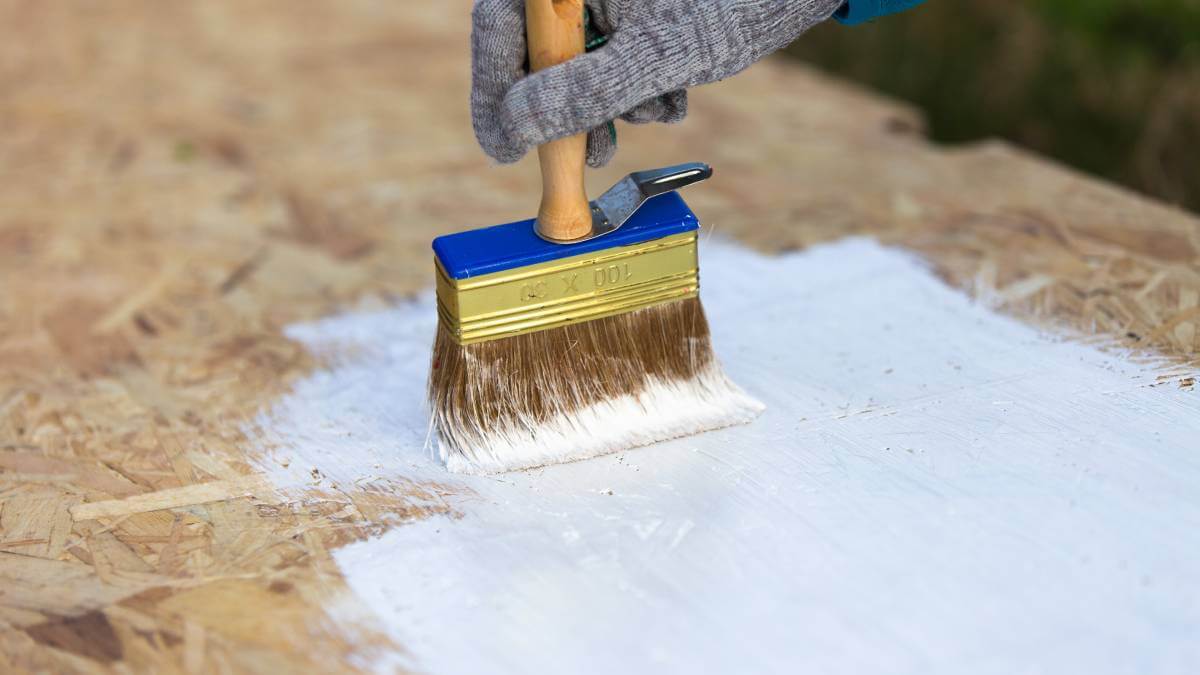
Why OSB Board Is a Smart Choice for Many Projects
OSB board continues to grow in popularity for a reason. It delivers reliable performance, versatility, and value, making it suitable for a wide range of applications.
For builders and contractors sourcing, OSB offers consistency and availability. For homeowners and DIYers, it’s an accessible option that doesn’t compromise on strength.
Because OSB is manufactured using fast-growing, sustainable wood species, it’s also considered a more environmentally efficient product than some traditional timber materials, you can read more on the topic at Timber Development UK
Understanding what OSB board is and how to use it properly can make a real difference to the success of your project. From structural sheathing and subfloors to creative interior designs, OSB is a reliable, cost-effective solution that earns its place on building sites every day.
At Mitcham Builders’ Merchants, we’ve been supplying trusted materials to tradespeople and the public for over 20 years. As one of the leading builders’ merchants in South London, we know how important it is to stock products that perform well, are competitively priced, and are readily available when you need them.
Whether you’re working on a full build, a renovation, or a weekend DIY project, our team is here to help you choose the right OSB board for the job. Because getting the basics right, like choosing the right board, is what makes every build stronger in the long run.