


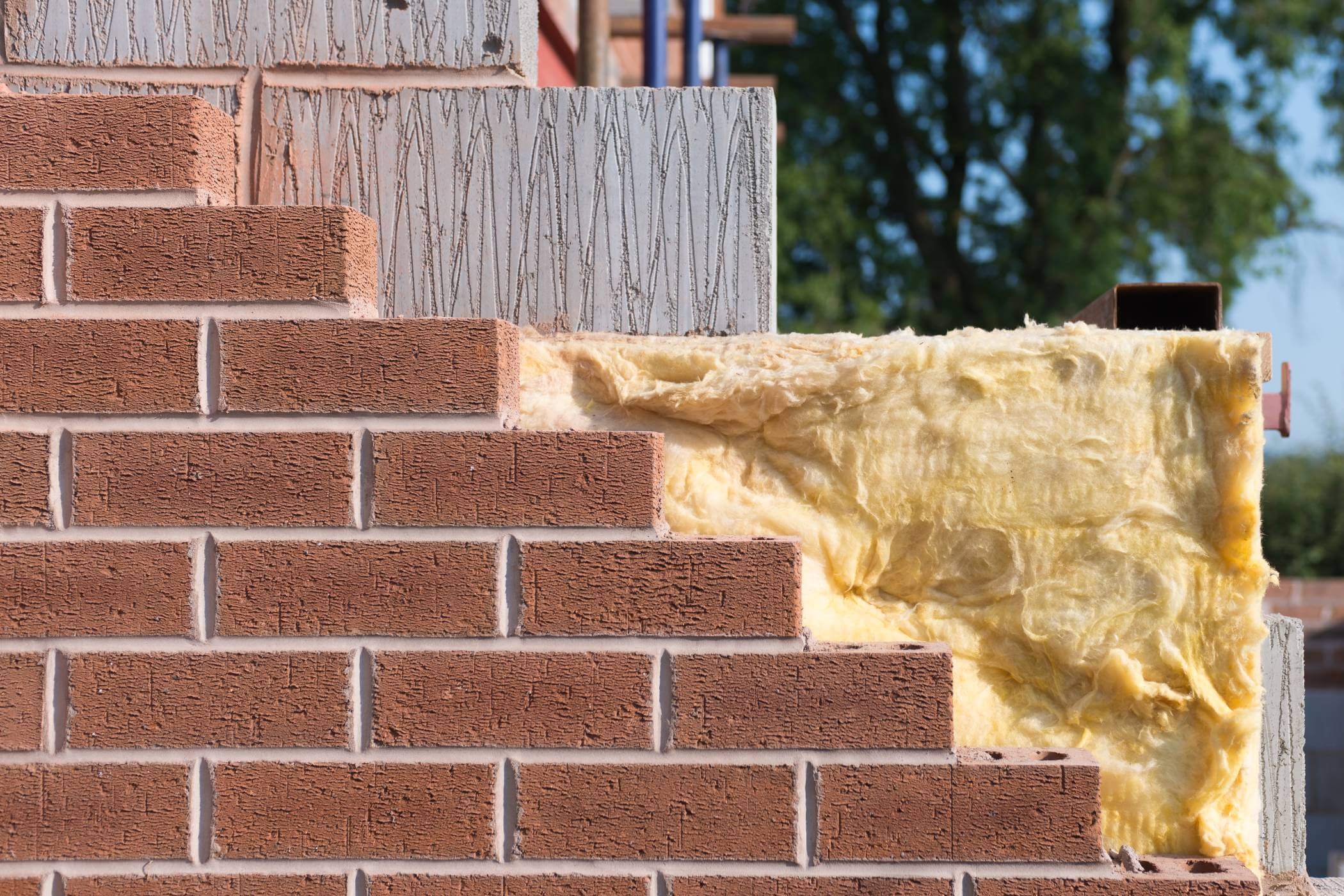
If you’ve ever wondered why some homes feel warm and cosy in winter while others seem to lose heat the moment the heating switches off, cavity wall insulation is a big part of the answer. It’s one of the simplest and most effective ways to make a home more energy-efficient, and it plays a huge role in reducing heat loss. But what is cavity wall insulation, and how does it work? Before you commit to having it installed, it’s helpful to understand exactly what it does, how long it lasts, and whether your home already has it. That’s what we’ll be covering in this guide.
What Is Cavity Wall Insulation & How Does It Work?
Cavity wall insulation is a topic that comes up again and again with homeowners, builders, and anyone trying to keep rising energy bills under control. As one of the most trusted builders merchant in South London, we regularly get asked what it is, how it works, and whether it’s worth the investment. The good news is that the concept is pretty straightforward once you break it down.
In this article, we’ll look at:
- What Is Cavity Wall Insulation?
- How Does Cavity Wall Insulation Work?
- How Do I Know If I Have Cavity Wall Insulation?
- How Much Is Cavity Wall Insulation?
- How Long Does Cavity Wall Insulation Last?
- How To Fit Cavity Wall Insulation
Whether you’re upgrading an older home, working on a renovation project, or simply curious, this guide will walk you through everything you need to know.
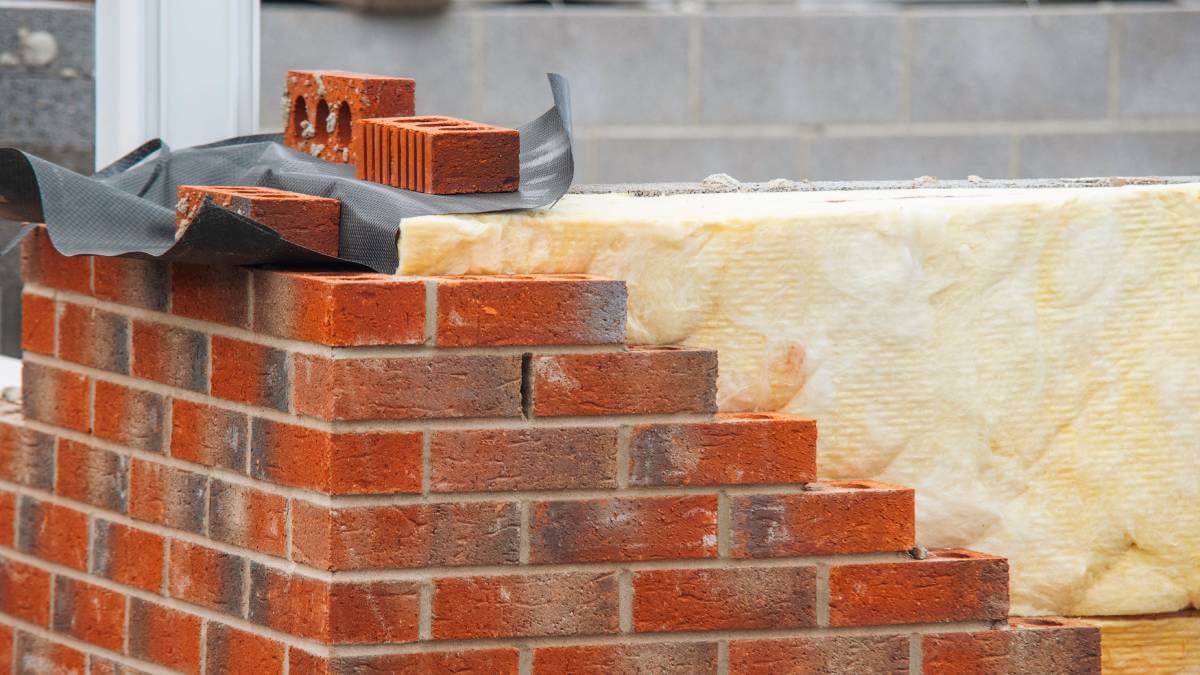
What Is Cavity Wall Insulation?
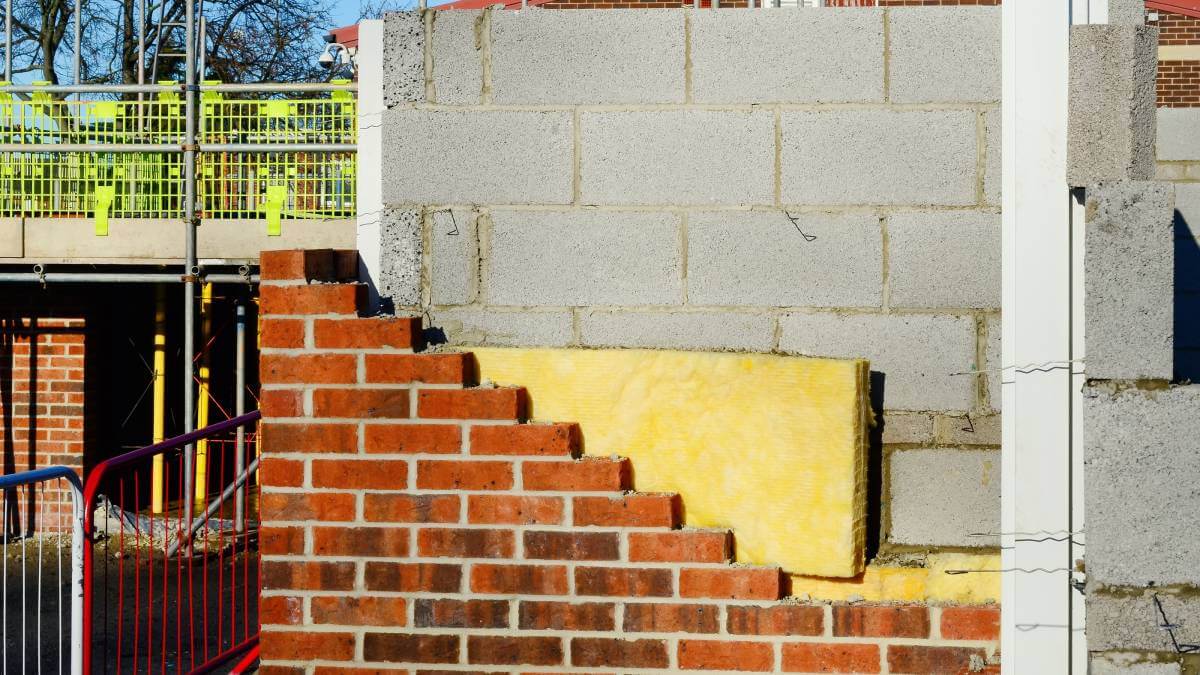
Cavity wall insulation is a method used to improve a home’s energy efficiency by filling the gap, or cavity, between the inner and outer walls. Many UK homes built from the 1920s onwards have cavity walls, and without insulation, heat escapes easily through that empty space.
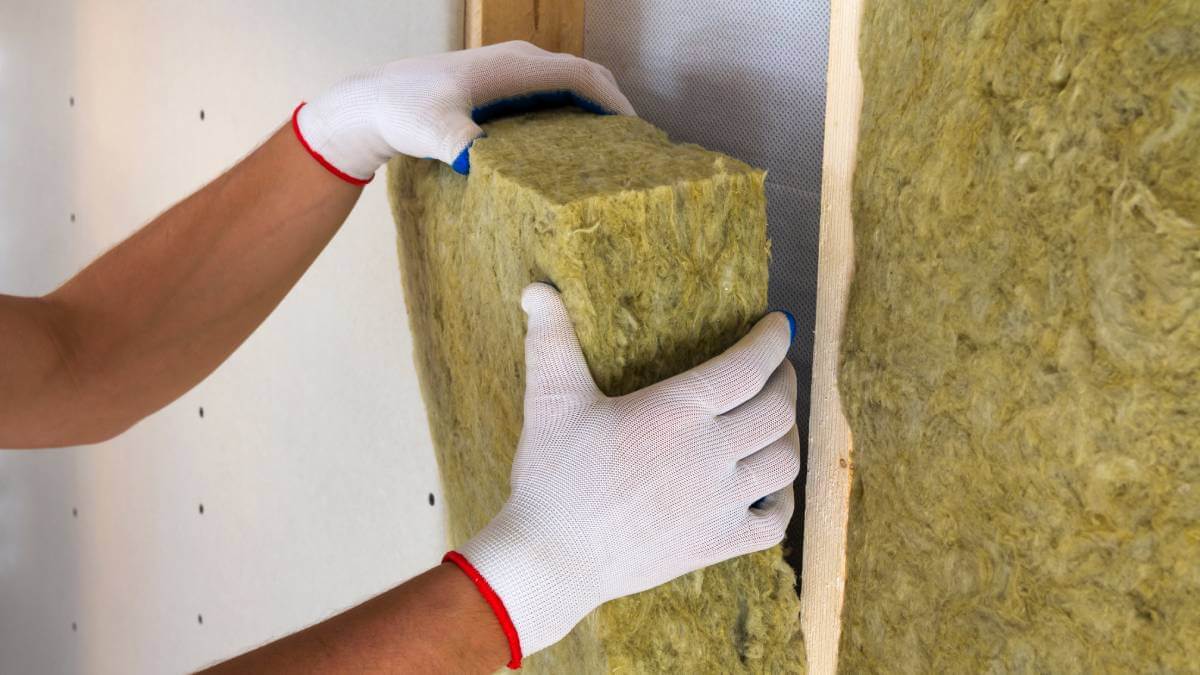
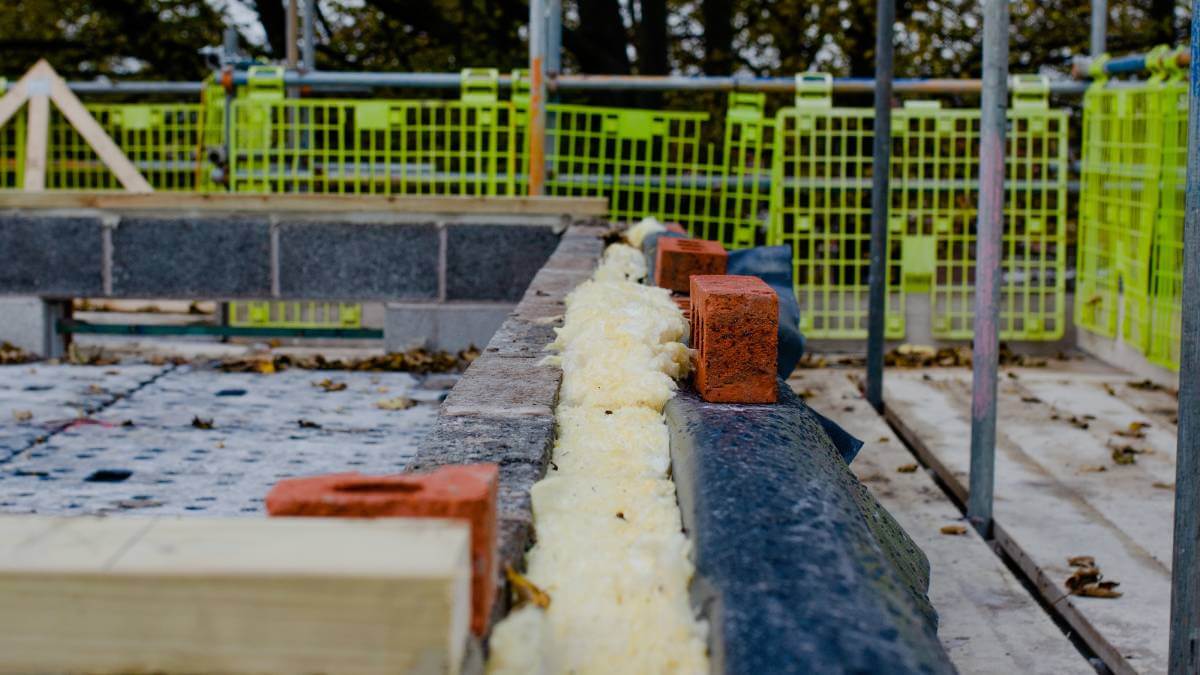
The insulation process involves drilling small holes in the exterior wall and injecting an insulating material, such as mineral wool, foam, or polystyrene beads, into the cavity. Once the cavity is packed, the holes are sealed, leaving the wall looking just as it did before.
The result is a warmer home in winter, a cooler home in summer, and reduced heating bills. Many homeowners also notice fewer draughts and a more consistent temperature from room to room.
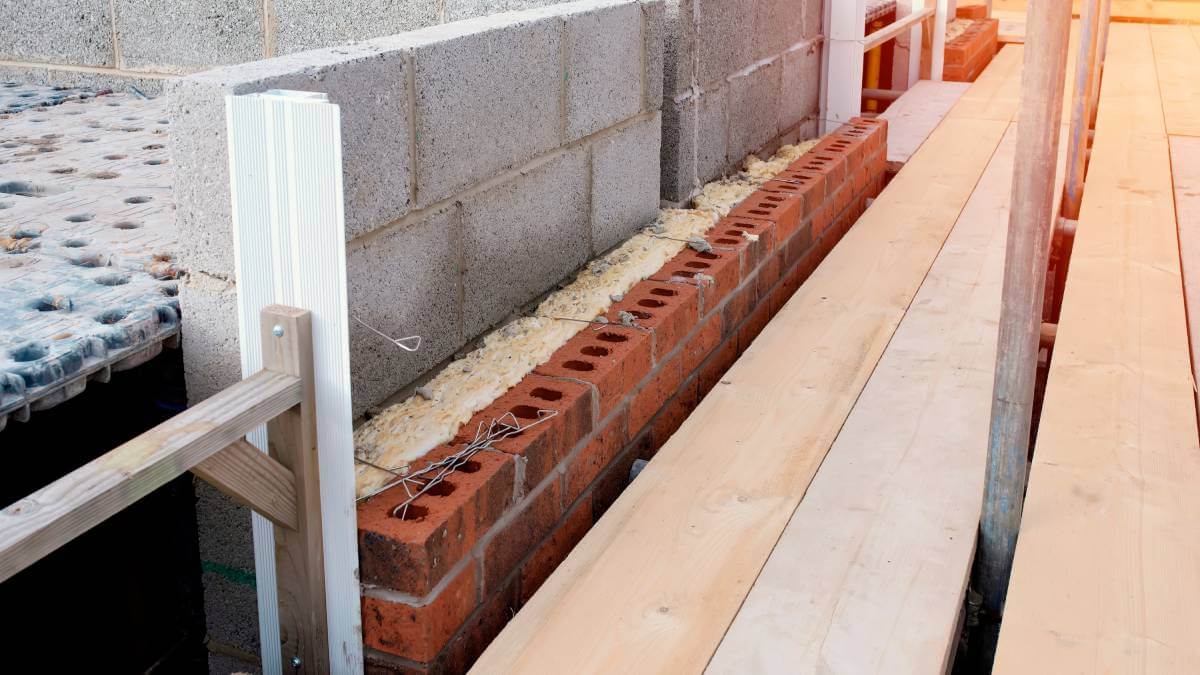
How Does Cavity Wall Insulation Work?
Cavity wall insulation works by trapping insulation material in the empty space between the two layers of brickwork. This material forms a barrier that slows down the transfer of heat. In simple terms, it prevents warm air from escaping and cold air from getting in.
When the cavity is filled:
- Warm air stays inside during the colder months
- Heat from outside is kept out during the summer
- The home maintains a more stable temperature
- The heating system doesn’t have to work as hard, which can reduce energy use
The installation process itself is fairly quick. Installers drill small holes (usually around 22–25mm) into the mortar joints on the outside of the property. Using specialist equipment, they blow insulation into the cavity until it’s evenly distributed, then plug the holes with mortar to match the existing brickwork.
This simple method is widely recognised as one of the most effective energy-saving improvements homeowners can make. For anyone wanting more background on energy efficiency, the Energy Saving Trust provides helpful information on insulation types and benefits.
How Do I Know If I Have Cavity Wall Insulation?
Many homeowners aren’t sure whether their property already has insulation in place — especially if the home is older or if the work was completed by previous owners. Thankfully, there are a few easy ways to check.
1. Look for Drill Marks
One of the simplest clues is to check the exterior walls for small, round drill holes arranged in a grid-like pattern. These are made when insulation is injected into the cavity. They’re usually filled with mortar, but they can still be spotted if you look closely.
2. Check the Brickwork Pattern
Homes with cavity walls often use what’s called a “stretcher bond”, where only the long sides of the bricks are visible. If all the bricks are laid lengthwise, it may indicate that your home was built with a cavity wall.
Solid walls, on the other hand, usually show a pattern where some bricks are laid end-on (called a header). This doesn’t confirm insulation, but it helps determine the wall type.
3. Consider Your Property’s Age
- Homes built after the 1990s are very likely to have cavity wall insulation already installed during construction.
- Homes built between the 1920s and the 1990s often have cavity walls but may not have insulation unless added later.
4. Check Documentation You Already Have
Your Energy Performance Certificate (EPC) often lists whether cavity walls are filled. If you can’t find your copy, you can look up your property for free using the official EPC register on GOV.UK, which is a great, non-competitive external resource.
5. Get a Professional Borescope Inspection
A professional installer can drill a small inspection hole and use a borescope to inspect the cavity. This is the most accurate method and is ideal if the property shows mixed signs.
6. Ask Your Local Authority
Some local authorities keep records of any insulation work carried out under grants or schemes.
These checks should give you a clear idea of whether your cavity is filled and, if not, whether it’s worth upgrading.
How Much Is Cavity Wall Insulation?
The cost of cavity wall insulation can vary depending on your home’s size, structure, and the material used. On average, prices range from £950 to £4,600:
- Mid-terrace homes: Around £1,500–£1,800
- Semi-detached homes: Roughly £1,800–£2,500
- Detached homes: Usually £2,700–£4,600
For those working on construction or renovation projects and looking for building materials in Croydon, Mitcham Builders Merchants provides reliable options, including insulation materials suitable for a range of properties. You can browse our insulation products here.
There are also government-backed schemes that may offer free or subsidised insulation depending on your circumstances. Energy suppliers sometimes run ECO schemes, and it’s always worth checking the GOV.UK energy support pages for current funding options.
How Long Does Cavity Wall Insulation Last?
When installed correctly with high-quality materials, cavity wall insulation can last the lifetime of the building — typically 25 years or more. Many installers provide a 25-year guarantee, but the insulation often lasts much longer.
Different materials have different lifespans:
- Polystyrene beads: Up to 100 years
- Fibreglass: 80–100 years
- Mineral wool: Around 25–40 years, depending on conditions
- Foam insulation: Typically 25–30 years
The lifespan can be influenced by:
- Installation quality
- The condition of the external walls
- Moisture levels
- Whether the property is exposed to harsh weather
- General maintenance of the building
Professional installers such as Westville Group and H&R Energy Solutions note that modern insulation materials are designed to withstand settlement, moisture, and ageing, thereby providing long-term energy-efficiency benefits.
How To Fit Cavity Wall Insulation
Although cavity wall insulation might seem simple, it’s a specialist job that should always be carried out by trained installers. The process requires precision to make sure the cavity is filled evenly and safely.
Here’s an overview of the typical installation:
1. Assessment
A specialist surveys the property to check that the walls are suitable. They identify cavity size, ensure there are no damp issues, and note any features, such as air bricks, that need to remain unblocked. They will also check the brickwork and identify any areas that may require minor repairs before installation.
2. Drilling the Holes
Installers drill 25mm holes into the mortar joints of the external walls. These are spaced in a specific pattern to ensure the insulation spreads evenly throughout the cavity.
3. Injecting the Insulation
Using a blowing machine, the installer pumps insulation material — such as mineral wool, foam, or polystyrene beads — into the cavity. They move from hole to hole until the entire wall section is filled.
4. Plugging the Holes
Once complete, the holes are filled with mortar. Good installers will match the colour to the existing brickwork as closely as possible so the repair blends in.
5. Cleanup
The team clears any debris, checks vents and air bricks, and ensures the property is left tidy.
Key Considerations
- Professional Job: This is not a DIY project. Professionals have the equipment and training to ensure safe, even installation.
- Suitability: Some properties, such as timber-frame homes or those with damp issues, may not be suitable. A professional assessment is crucial.
- Speed: Installation usually takes just a few hours with very little disruption.
For anyone taking on larger renovation projects and looking for reliable building supplies in Croydon, Mitcham Builders Merchants can provide the materials needed for insulation-related work, including fixings, tools, and finishing products.
Getting Your Insulation Right with Mitcham Builders Merchants
Cavity wall insulation is one of the simplest and most cost-effective ways to make a home warmer, more energy-efficient, and cheaper to run. Whether you’re working on your own property or carrying out improvements for a client, understanding how insulation works — and choosing the right materials — makes all the difference.
As one of the most trusted builders merchant in South London, Mitcham Builders Merchants has been supplying building materials over 20 years. Our team understands insulation inside and out and can point you toward the best products for your project, whether you’re working on a small home upgrade or a full renovation.
With competitive pricing, expert advice, and same-day delivery across South London, they make it easy to get the right building materials in Croydon exactly when you need them.
If you’re ready to upgrade insulation or need materials for your next project, visit Mitcham Builders Merchants or browse our insulation range online.