


Bricks are one of the oldest and most trusted building materials in the world, yet choosing the right ones can still feel overwhelming. Walk into any builders’ merchant, and you’ll be faced with a huge range of shapes, colours, textures, strengths, and finishes. It’s no surprise that many people end up asking the same question: which type of brick do I actually need?
In this guide, we’ll break it all down in simple terms. Whether you’re working on a new build, an extension, a garden wall, or a renovation project, understanding the different types of bricks will help you make smarter decisions, avoid costly mistakes, and get the finish you’re after.
A Practical Guide to the Different Types of Bricks
There are many types of bricks, each designed for a specific purpose. Some are chosen for their strength, others for their appearance, and some for how they perform in certain environments. The trick is knowing which brick best suits your project.
In this article, we’ll cover:
If you’re sourcing building materials in Croydon, this guide will give you the confidence to ask the right questions and choose the right brick for the job.
Different Brick Types
Brick types are usually categorised in three main ways: by how they’re made, what they’re used for, and what material they’re made from. Understanding these categories makes it much easier to narrow down your options.
Some of the most common brick types include:
- Facing bricks
- Engineering bricks
- Common (or backing) bricks
- Concrete bricks
- Fly ash bricks
- Sand-lime (calcium silicate) bricks
Each has its own strengths, appearance, and ideal use.
Manufacturing Process
How a brick is made plays a big role in how it looks and performs.
Fired Clay Bricks
These are the traditional bricks most people think of. Made from natural clay, they’re pressed into moulds, dried, and fired in a kiln at very high temperatures. This process provides them with excellent durability, strength, and weathering resistance. Most facing and engineering bricks fall into this category.
Wirecut / Extruded Bricks
These bricks are made by forcing clay through a die and cutting it to size with wires. The result is a consistent shape with clean, sharp edges. Wirecut bricks are popular in modern construction and are often seen in contemporary housing developments. Ranges like La Paloma’s Ross and Raglan offer that characterful appearance while still meeting modern standards.
Handmade or Stock Bricks
Handmade bricks are formed individually in moulds, giving them slight variations in shape, texture, and colour. This makes them ideal for period properties or projects that require a softer, more traditional look.
Unfired or Sun-Dried Bricks
These bricks are air-cured rather than kiln-fired. They’re generally used in low-load or temporary structures and are far less common in UK construction due to durability requirements.
For more guidance on brick manufacturing and standards, visit Brick Development Association.
Usage and Function
Bricks aren’t just chosen for how they look; their function is just as important.
Facing Bricks
Facing bricks are used on external walls where appearance matters. They’re designed to be weather-resistant and visually appealing. This is where premium ranges like La Paloma Ross and Raglan bricks really shine, offering rich colours and textures that elevate the final look of a build.
Engineering Bricks
These are all about strength. Engineering bricks have high compressive strength and low water absorption, making them ideal for foundations, damp-proof courses, and areas that require heavy load support.
Common (Backing) Bricks
Common bricks are typically used where they won’t be seen, such as in inner walls or underground. They’re practical and cost-effective but not designed for exposed finishes.
Hollow Bricks
Lighter than solid bricks, hollow bricks are often used for internal walls. They can help with insulation and reduce overall material weight.
Material Types
The raw materials used to make bricks also affect their performance and appearance.
Clay Bricks
The most widely used brick type in the UK. Clay bricks include facing, common, and engineering bricks and are known for their longevity and natural colour variations.
Concrete Bricks
Made from cement, sand, and aggregates, concrete bricks offer consistent colour and shape. They’re often chosen for modern builds and can provide good sound insulation.
Fly Ash Bricks
Produced using fly ash, a by-product of coal combustion, these bricks are dense and durable. They’re sometimes chosen for their environmental credentials and smooth finish.
Sand-Lime (Calcium Silicate) Bricks
Made from sand, lime, and water, these bricks are moulded under pressure. They’re often pale in colour and can be pigmented for decorative use.
Different Types of Brick Bonding
Brick bonding refers to the pattern in which bricks are laid. Bonding isn’t just about looks; it also affects the strength and stability of a wall.
Common Structural Bonds
Stretcher Bond (Running Bond)
This is the most common bond used today. All bricks are laid lengthways, with each course offset by half a brick. It’s simple, strong, and cost-effective.
Header Bond
Bricks are laid with their short ends facing outward. This creates a very strong wall but uses more bricks, which is why it’s less common in modern builds.
English Bond
Alternating courses of headers and stretchers. This traditional bond offers excellent strength and is often seen in older buildings.
Flemish Bond
Each course alternates between headers and stretchers. It’s more decorative than English bond and is popular for feature walls and period-style homes.
Stack Bond
Bricks are aligned vertically and horizontally, creating a clean, grid-like appearance. While visually striking, it’s structurally weaker and usually needs reinforcement.
See Historic England’s insight on brick bonds and masonry construction.
Other Notable Bonds
Garden Wall Bond
Often used for boundary walls, this bond reduces the number of headers used while still maintaining strength.
Monk Bond
A decorative variation of English bond, often chosen for traditional or bespoke builds.
Raking Bonds
Bricks are laid at an angle to create patterns such as herringbone. These are mostly decorative and commonly used in paving or feature panels.
Rat Trap Bond
Bricks are laid on edge to create a cavity within the wall. This method can reduce material use and improve thermal performance.
Choosing the Right Brick for Your Project
Choosing between the different types of bricks comes down to three key questions:
- Does the brick need to be structural or decorative?
- Will it be exposed to the elements?
- What overall look are you trying to achieve?
For projects where appearance matters, facing bricks like La Paloma’s Ross and Raglan ranges are a popular choice. They offer the warmth and character people want from brickwork, while still meeting modern performance standards.
If you’re working with builders’merchants in Croydon, having this knowledge upfront helps you get the right advice and avoid over- or under-specifying materials.
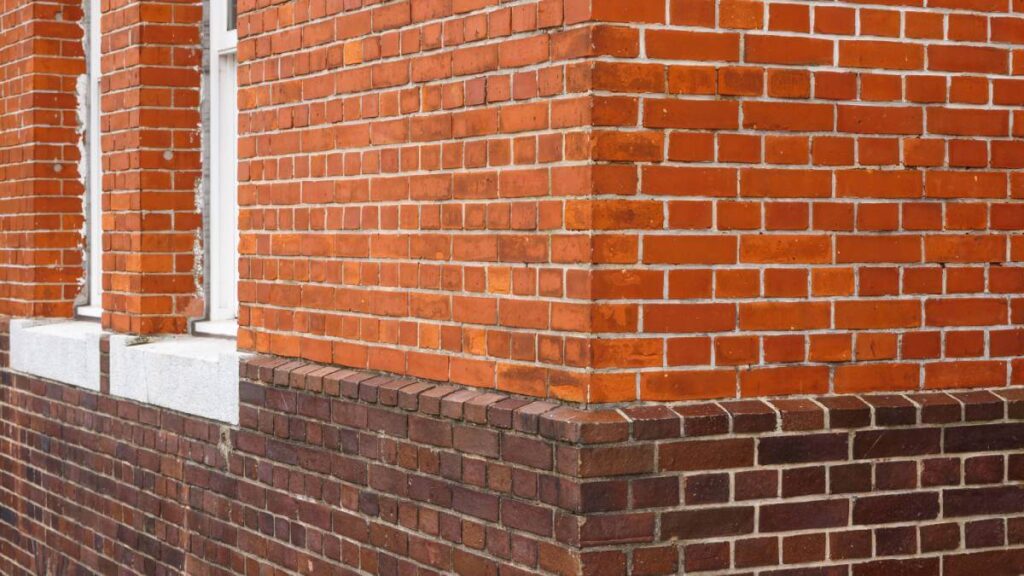
Bringing It All Together with Mitcham Builders Merchants
Understanding the different types of bricks makes a huge difference to the success of any building project. From strength and durability to colour, texture, and bond patterns, the right brick choice helps ensure your build looks good and lasts for decades.
As experienced builders’ merchants in Croydon, we know bricks inside and out, and we’re always happy to help you choose the right option — whether that’s robust engineering bricks or high-quality facing bricks like La Paloma Ross and Raglan.
If you’re sourcing building materials in Croydon and want reliable advice, competitive pricing, and dependable service, Mitcham Builders Merchants is here to support your project from the ground up.